


Comics Price Guide
ComicsPriceGuide.com
When I look at a box of old comics, the first question is usually not “what is this worth?” but “which issue is this, exactly?” That distinction matters because condition, edition, printing details, and completeness can change a valuation dramatically. Comics Price Guide is built around that practical problem: it is a comics app from ComicsPriceGuide.com that helps readers research comic valuations and organize a collection. I found it most useful as a starting point for identification and sorting, rather than as a magic answer to the final selling price.
The app belongs to the Comics category and is free to install, with optional in-app purchases priced from eight dollars to fifty-nine dollars and ninety-nine cents per item. It is rated for Teen users, runs on Android seven and later, and its current version is 1.4.27. The project has been available since May 1, 2018, and its audience is still fairly modest, with over ten thousand installs. That scale is worth keeping in mind: this feels like a focused reference tool for collectors, not a broad social platform for every kind of pop-culture sale.
Using the guide to turn a pile of comics into useful information
The central capability: valuation tied to collection work
The strongest idea here is the connection between a price guide and a personal collection. Many comic apps concentrate on reading, news, previews, or community discussion. This one is aimed at the more methodical side of ownership: finding a title, checking an issue, and building a clearer picture of what you have. That makes it especially relevant when a collection has been inherited, stored for years, or accumulated without a consistent cataloging system.
In my experience, the real benefit is not seeing one number beside a comic. The benefit is reducing uncertainty. A box may contain several issues from the same series, duplicate copies, annuals, special editions, and books that look similar at a glance. A guide gives me a place to slow down and separate those items before I make a decision about selling, insuring, donating, or keeping them.
I would not treat any displayed valuation as a guaranteed cash offer. Comic prices depend on condition, demand, completeness, and the difference between a guide estimate and what a buyer is prepared to pay at a particular moment. The app is more useful when I use it to establish a sensible reference point and then inspect the physical comic carefully.
Related News

Why WhatsApp Messenger Still Makes Everyday Communication Feel Easy

Jurassic World: The Game Is the Better Dino Tycoon for Strategic Players

Threads in Real Life: Who Should Join, Lurk, or Leave

How SHEIN Turned Shopping Into an Endless Content Feed

How to Make Fortnite Feel Smarter on Mobile

Should You Switch to Microsoft Outlook on Mobile?
What the workflow feels like in practice
A sensible workflow starts away from the app. I first spread the comics out, group obvious titles together, and note issue numbers without trying to judge value immediately. Then I use the guide to verify the identity of individual books. This order prevents a common mistake: searching for a famous title, finding a high-looking figure, and assuming every copy in the box matches that entry.
Once an issue is identified, I would record the result alongside a quick physical assessment. Look at the cover, spine, corners, pages, inserts, and signs of moisture or writing. A collector who skips this step may overestimate a damaged copy, while someone who assumes every older comic is valuable may waste time researching ordinary duplicates. The app is most effective when it supports this inspection instead of replacing it.
For a larger collection, I recommend working in short batches. Ten or fifteen comics at a time is easier to manage than opening every box at once. Separate confirmed matches from uncertain ones, and create a small “check again” group for books with confusing numbering or variant-looking covers. This is one of the less obvious advantages of a dedicated guide: it encourages a repeatable process rather than random browsing.
Gallery
A realistic everyday use case
Imagine finding several long boxes while clearing a relative’s spare room. You do not know whether the collection is organized, which books are duplicates, or whether a few issues are worth special attention. Instead of photographing everything for a marketplace immediately, you can use Comics Price Guide as a first-pass research tool.
I would begin with the clearest examples: books with readable titles and issue numbers. After identifying those, I would use the results to understand the collection’s general shape. If one series appears repeatedly, I would keep its issues together and mark gaps. If a book is difficult to identify, I would not let it stop the whole process; I would place it aside and continue with easier entries.
That approach has two practical effects. It keeps the initial sorting manageable, and it prevents the most interesting-looking comic from dominating the entire valuation exercise. By the end, you should have a cleaner inventory and a shortlist of items that deserve closer condition checking or specialist advice. The app does not need to do every step to be useful; it needs to make the first step less confusing.
Where it differs from the usual alternatives
The obvious alternatives are a general web search, completed-sale research on marketplaces, printed price guides, or asking a local comic shop. Each option answers a slightly different question. A web search is flexible but can mix editions and opinions. Marketplace listings show asking prices, which are not the same as completed sales. A shop can provide valuable experience, but a quick verbal estimate may not give you a lasting record of what you checked.
A printed guide is comfortable for browsing and does not depend on a phone, but it is less convenient when I am standing beside several boxes and need to search one issue at a time. Comics Price Guide sits between those choices. It gives me a portable reference for collection work, while the physical comic remains in my hands for inspection.
That middle position is also its limitation. Someone who wants a full marketplace workflow, automatic selling tools, or a lively collector community may prefer a broader service. Someone who only wants to read comics should choose a reading app instead. This is not a replacement for sales research, grading expertise, or a digital library; it is a research companion for ownership and valuation.
Small habits that make the app more useful
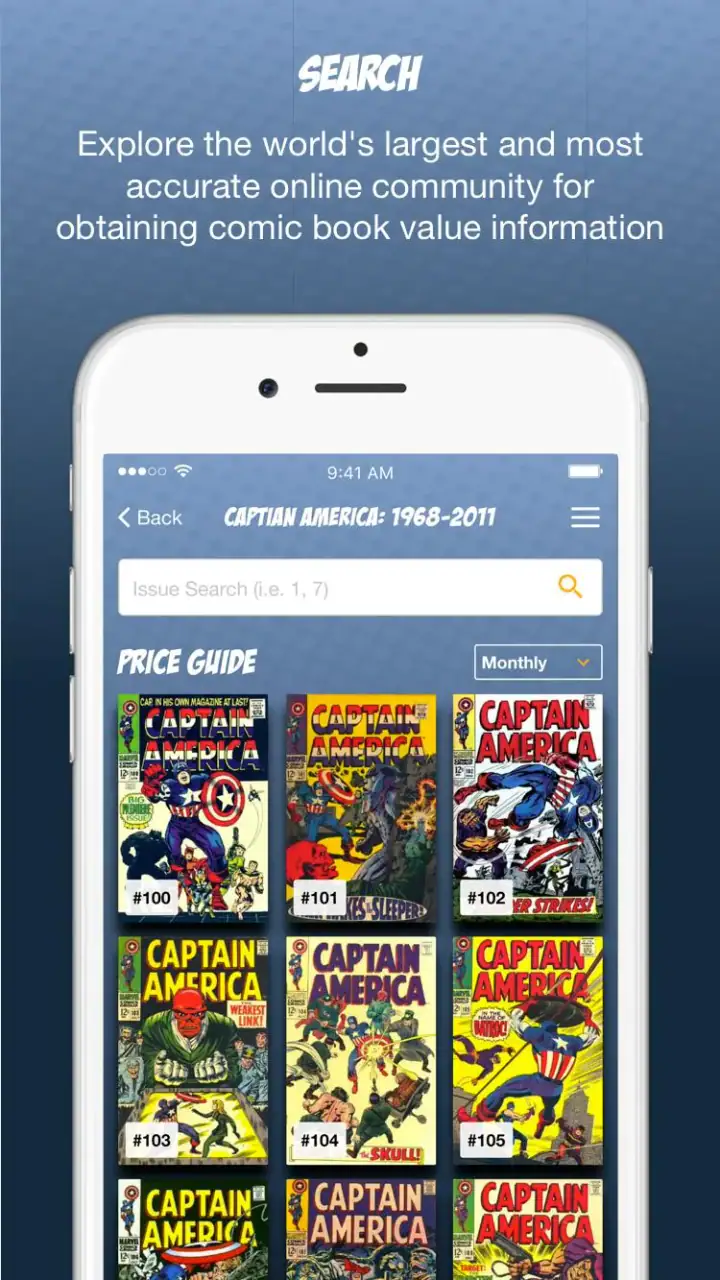
My first tip is to search by the exact issue rather than the character or franchise whenever possible. A popular character can appear across many series, reprints, specials, and annuals. Beginning with the title and issue number reduces the chance of selecting an attractive but incorrect result.
My second tip is to separate “guide value” from “selling value” in your notes. I would write down the app’s reference separately from any later marketplace observations or shop opinions. That simple distinction prevents the common mistake of treating a guide figure as a promise. It also makes it easier to explain your reasoning if another collector reviews the collection with you.
My third tip is to research duplicates strategically. Do not assume that ten copies of the same issue automatically make the whole group important. Check whether they are genuinely identical, compare their condition individually, and keep the cleanest copy separate. This is where a collection-focused workflow is more helpful than casually searching the most recognizable cover.
A fourth useful habit is to prioritize uncertainty, not just apparent rarity. A comic that looks ordinary but has unclear issue information may deserve more attention than a famous book you can identify immediately. Marking uncertain entries for a second pass keeps your inventory honest and reduces accidental omissions.
The tradeoffs: useful reference, imperfect verdict
The app’s average rating is 2.6 from over two hundred ratings, with more than one hundred reviews. I would take that as a reason to approach it with realistic expectations. A low average does not automatically make the underlying idea useless, but it suggests that the experience may not satisfy everyone, particularly users expecting a polished, effortless cataloging system.
There is also a cost consideration. Installation is free, but optional purchases can range from eight dollars to fifty-nine dollars and ninety-nine cents per item. Before spending money, I would decide how serious the project is. If I have a handful of comics and only want a quick curiosity check, the free entry point may be enough to judge whether the workflow suits me. If I am working through a substantial collection, I would compare the value of the paid options with alternatives such as a local expert or a more complete cataloging service.
The Teen content rating is unlikely to trouble most adult collectors, but parents should still use their normal judgment when younger readers handle an app connected to comic-book material. More importantly, new collectors should understand that a valuation tool cannot see every physical detail of a comic. It cannot make a creased cover flat, restore missing pages, or turn a guide estimate into a guaranteed buyer’s offer.
Another tradeoff is attention. Researching every comic can become a project of its own. If your goal is simply to clear shelf space, spending hours on low-value duplicates may not be worthwhile. I would use the app to triage: identify the collection, isolate books with meaningful potential, and avoid treating every item as a major appraisal.
Who benefits most from this app
This is a good fit for a new collector who needs structure. The app gives that person a reason to identify books carefully instead of relying on age, famous characters, or dramatic cover art. It is also useful for families sorting an inherited collection, especially when several people need a shared understanding of what is present before deciding what to keep or sell.
Casual collectors can benefit too, provided they enjoy the research side of the hobby. A few minutes with a guide can turn an unorganized stack into a manageable list, and the collection angle makes the work feel more purposeful than isolated price checking. I can also see value for someone preparing to speak with a comic shop: arriving with titles and issue details is more productive than bringing an unsorted box and asking whether anything looks valuable.
Experienced collectors may find it useful as a portable reference, but they are also the group most likely to notice its boundaries. If you already maintain a detailed database, track market sales, understand grading, and know how to distinguish editions, this app may serve mainly as a convenient secondary check. It is less compelling as a complete replacement for a system you have refined over years.
I would skip it if your main purpose is reading digital comics, discovering new releases, or selling directly inside an app. I would also skip relying on it alone for a high-stakes collection. In that situation, use it for preliminary identification, then seek a closer condition assessment and current market evidence before making a major decision.
My final take after using its intended approach
Comics Price Guide makes the most sense when I treat it as the first layer of a careful collection workflow. Its verified purpose is narrow but practical: help with comic valuations and collections. That focus is more valuable than a long list of unrelated features if what I actually need is help turning an unknown pile into an organized set of identifiable issues.
The free starting point lowers the barrier to trying it, while the optional purchases mean serious users should think about their budget before committing. The modest install base and 2.6 average rating also tell me not to expect a universally smooth experience. I would test the basic workflow on a small group of comics before building my entire process around it.
My recommendation is therefore conditional but positive. If you are sorting comics, checking issue identities, or preparing a collection for a more informed conversation with a buyer or shop, this app can save time and reduce guesswork. Use it with good lighting, honest condition notes, and separate market research when money is involved. If you want reading, social discovery, or a complete selling platform, choose a different type of app. For the collector who needs a portable starting point, however, it is a sensible tool—as long as its reference figures are treated as guidance rather than a final verdict.
FAQs for Comics Price Guide
What is Comics Price Guide, and what can I use it for?
Comics Price Guide is a reference tool for comic book collectors who want to identify issues, check estimated market values, and organize information about their collections. It can be useful when buying, selling, or simply researching comics. Before downloading, remember that price estimates are guides rather than guaranteed selling prices, since condition, edition, demand, and current market activity can significantly affect value.
Does Comics Price Guide include every comic book and edition?
The service covers a large selection of comic books, publishers, characters, and issues, but no catalog can guarantee that every title, variant, foreign edition, promotional issue, or newly released comic is available immediately. Search results may depend on the exact title, issue number, year, and edition details you enter. Collectors should verify cover dates, printings, variants, and other identifying information before relying on a listing.
How accurate are the comic book prices shown in the app?
The displayed values should be treated as estimates based on available market information, not as fixed appraisals. A comic’s actual worth can change according to grading, restoration, signatures, missing inserts, printing differences, scarcity, and buyer interest. Prices may also vary between auction sites, comic shops, conventions, and private sales. For expensive books, compare several recent sales and consider professional grading.
Can I use Comics Price Guide to manage my personal collection?
Depending on the version and account features available, Comics Price Guide may allow collectors to record owned comics, create want lists, track issues, and review collection information in one place. These tools can be convenient for organizing a growing library, but users should check whether specific collection features require registration, a subscription, or an internet connection. Always confirm that your data is synchronized before changing devices.
Is Comics Price Guide free to download and use?
Access and pricing can vary depending on whether you use the website, Android application, or iOS version, as well as which features are included in the current release. Basic catalog browsing may be available without payment, while advanced valuation, collection management, or ad-free options could require an account or subscription. Review the store listing, in-app purchase details, and privacy permissions before downloading.
Pros
- Covers a broad range of comic issues
- editions
- and publishers.
- Useful for checking collection values before buying or selling.
- Search tools make it easier to identify comics by title or issue.
- Helps track market changes and discover potentially valuable books.
- Provides a dedicated reference for collectors beyond general shopping apps.
Cons
- Values can vary from actual sale prices and should not be treated as guarantees.
- Some detailed pricing or account features may require a subscription.
- Rare or recently released issues may have limited pricing information.
- The interface can feel more functional than modern or visually polished.
- Accurate grading is still essential
- as condition strongly affects comic value.


